

- Afrikaans
- العربية
- Azərbaycanca
- Български
- বাংলা
- Bosanski
- Беларуская
- Català
- Čeština
- Dansk
- Deutsch
- Ελληνικά
- English (AU)
- Español
- Eesti
- Euskara
- Français
- Galego
- ગુજરાતી
- עברית
- हिन्दी
- Hrvatski
- Bahasa Indonesia
- Íslenska
- Italiano
- 日本語
- Kartuli
- ಕನ್ನಡ
- 한국어
- Kurdî
- Lëtzebuergesch
- Lietuviškai
- Latviešu
- Bahasa Melayu
- Malti
- မြန်မာဘာသာ
- Nederlands
- Norsk
- Polski
- Português
- Română
- Русский
- Albanian
- Српски
- ภาษาไทย
- Tiếng Việt
- 汉语
- Afrikaans
- العربية
- Azərbaycanca
- Български
- বাংলা
- Bosanski
- Беларуская
- Català
- Čeština
- Dansk
- Deutsch
- Ελληνικά
- English (AU)
- Español
- Eesti
- Euskara
- Français
- Galego
- ગુજરાતી
- עברית
- हिन्दी
- Hrvatski
- Bahasa Indonesia
- Íslenska
- Italiano
- 日本語
- Kartuli
- ಕನ್ನಡ
- 한국어
- Kurdî
- Lëtzebuergesch
- Lietuviškai
- Latviešu
- Bahasa Melayu
- Malti
- မြန်မာဘာသာ
- Nederlands
- Norsk
- Polski
- Português
- Română
- Русский
- Albanian
- Српски
- ภาษาไทย
- Tiếng Việt
- 汉语
The Power of a Peach.
Why this simple fruit matters in Conspiracy at World’s End.
CONSPIRACY AT WORLD'S END
Daz James
3/14/20263 min read
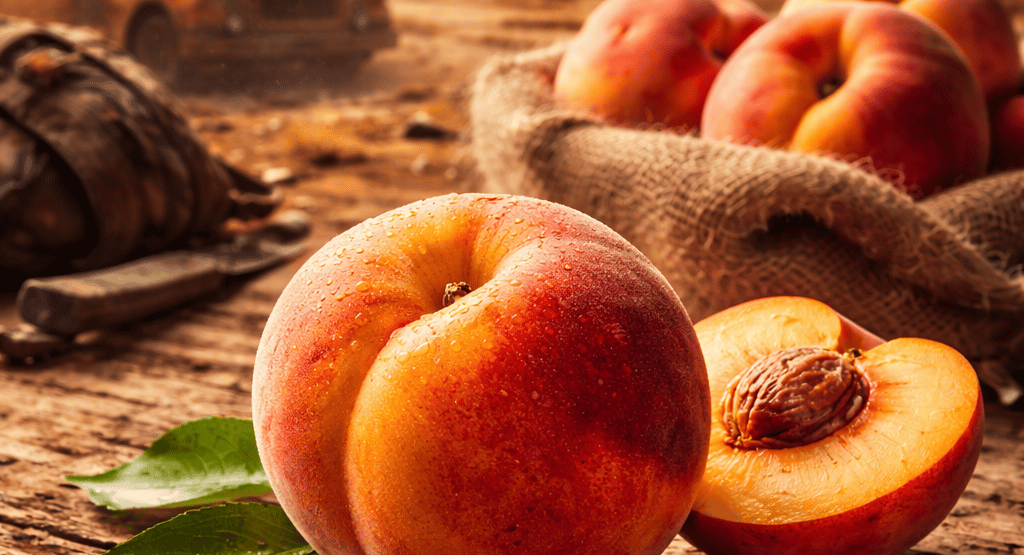
Sometimes the smallest things carry the biggest meaning. In a story full of dangerous journeys, strange alliances, and the fragile remains of civilisation, you might not expect a humble peach to matter very much. Yet in Conspiracy at World’s End, this simple fruit quietly becomes one of the most intriguing symbols in the entire story.
It’s not there by accident. In fact, once you notice it, you may start to see peaches differently.
A Fruit That Feels Almost Magical
Imagine living in a world where fresh food is rare, where most people survive on whatever can be rationed, preserved, or manufactured to keep them going.
Now imagine biting into something soft, fragrant, and sweet — something that feels like it came straight from another era. A peach isn’t just food in that moment. It becomes an experience.
The texture, the scent, the sudden burst of flavour. It reminds you that the world once had abundance, pleasure, and simple comforts that people barely noticed when they were everywhere.
In Conspiracy at World’s End, the appearance of peaches hints at that forgotten world — a time before everything changed.
And that memory matters more than you might think.
A Fruit with a Long Story
Peaches have always carried a surprising amount of symbolism. In Chinese mythology, they were believed to grant immortality, appearing in legends about heavenly gardens and magical fruit that ripened only once every few thousand years.
In Western art and literature, peaches often represent abundance, sensuality, and summer. Renaissance painters loved them for their softness and colour. Writers often used them to evoke warmth, nostalgia, and fleeting moments of happiness.
Even modern stories haven’t resisted their charm. From children’s literature to cinema, peaches tend to appear at moments of transformation — when something ordinary suddenly becomes extraordinary.
It’s a small fruit, with a surprisingly big reputation, which makes it the perfect symbol for a story about a world that has lost more than it realises.
The Memory of Sweetness
One of the most powerful things about peaches is how strongly they connect to memory. Many people associate them with summer days, backyard gardens, fruit trees heavy with ripening fruit, or roadside stalls selling produce that smells like sunshine.
They’re messy. Juicy. Impossible to eat politely. And that’s part of their charm.
In a world where life has become harsh, controlled, or stripped down to pure survival, the memory of something so indulgently sweet can feel almost rebellious.
A peach reminds people that life once had softness. It reminds them that joy used to be normal.
A Quiet Symbol in a Big Story
Conspiracy at World’s End is not a story about fruit. It’s a story about survival, hidden truths, and the uneasy alliances people form when the world stops making sense. But small details often carry the biggest meaning.
Sometimes a symbol doesn’t need to shout. It can simply appear quietly in the background, letting readers interpret what it means for themselves.
A peach might represent comfort to one character, temptation to another, and nostalgia to someone else entirely. That ambiguity is part of the fun.
I often read comments from readers who love noticing small recurring details in stories — objects or symbols that pop up just often enough to feel intentional but not so often that they explain themselves.
Peaches fall perfectly into that category. They invite curiosity.
Why Writers Love Food
Food has always played an important role in storytelling. Think about how often important scenes in books and films happen around meals. Sharing food creates connection. Cooking something familiar can bring comfort. Even the smell of something baking can trigger powerful memories.
Food is one of the most universal human experiences. And in fiction — especially stories set in difficult or dangerous worlds — it becomes a powerful reminder of what people are trying to protect.
A simple meal can represent civilisation. A rare piece of fruit can represent hope. Which brings us back to the peach.
A Symbol That Readers Can Discover
One of the joys of writing Conspiracy at World’s End was hiding small details throughout the story that readers might notice if they’re paying attention.
Some are visual. Some are thematic. And some are deliciously symbolic.
Peaches are one of those small details that quietly weave their way through the narrative. They have a purpose for being in this story. Not just for nostalgia for the old world, but necessary to the plot.
Yet they are also a reminder that beauty can survive even in difficult places. And provide a fleeting moment of sweetness in a much more brutal world.
A Small Taste of the Story
If you pick up Conspiracy at World’s End, keep an eye out for the peaches. They appear in unexpected places. They might make you smile.
And they might make you think about the strange power that small, ordinary things can hold — especially in a world where almost nothing is ordinary anymore.
After all, sometimes a peach is just a peach. But sometimes it’s a reminder that sweetness still exists in the world. And that can change everything.
#SymblismInStorytelling #Peaches #ConspiracyAtWorldsEnd. #LGBTIQA+Stories #LGBTAuthors

Daz James
Promote published works, interact with readers, share updates.
© 2024. All rights reserved.